
Honda
History of Honda
Honda Tuning & Aftermarket Parts
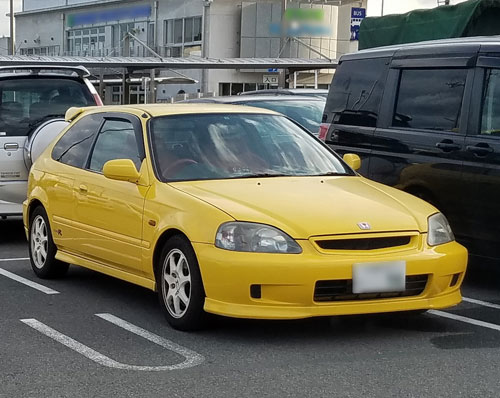
The history of Honda tuning and aftermarket modifications began in earnest in the 1970s, driven by car enthusiasts' desire to enhance performance and aesthetics. Early adopters focused on lightweight and affordable models, such as the Honda Civic, for customization. In the 1980s, the popularity of street racing and the growth of car clubs further fueled the tuning culture. Companies like Mugen and Spoon Sports emerged, offering specialized parts and expertise for Honda vehicles, and cementing their reputation in the tuning world.
In the 1990s, the tuning scene saw a significant boom, partly due to the influence of media and entertainment, like the "Fast and Furious" film franchise. The advent of the internet allowed for the rapid exchange of information, techniques, and parts availability among enthusiasts worldwide. Honda's VTEC (Variable Valve Timing and Lift Electronic Control) engines became particularly sought after for their potential to deliver both efficiency and high performance. This period marked the globalization of Honda tuning, as car enthusiasts from Japan to the United States and beyond participated in the culture.
The 2000s and beyond have seen the evolution of the Honda aftermarket industry, with advancements in technology and engineering leading to more sophisticated tuning options. The rise of electronic tuning, turbocharging, and hybrid modifications has expanded the horizons for Honda enthusiasts. Today, the community remains vibrant, with countless forums, social media groups, and events dedicated to the art and science of Honda tuning. This enduring passion reflects the continued innovation and appeal of Honda vehicles among car enthusiasts.
COBB's History with Honda Tuning
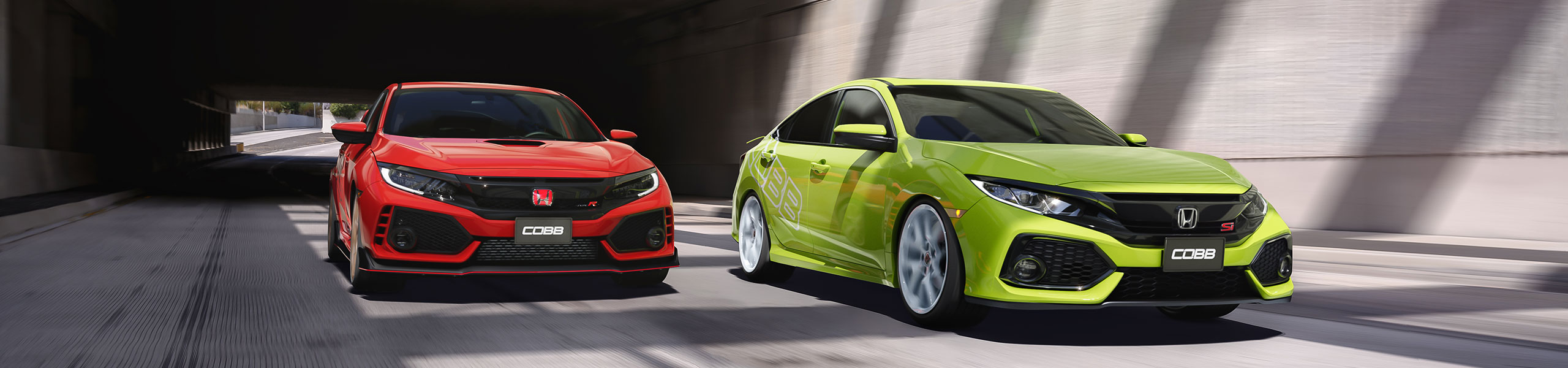
The Honda Civic Type R is arguably one of the most recognizable and modified vehicles in the automotive enthusiast market and starting today, you’ll be able to pair it with the world’s easiest and best selling tuning solution, the COBB Accessport! With Honda fully embracing the light that is turbocharged engines in the US market, it only makes sense that the Accessport returns to the Honda to take full advantage of the new K20C1 powerplant and we’ve done just that with the Accessport. The best news is that all of the power increases are completely DIY and can be done anywhere, anytime, without any additional fees or unlock purchases required. One solution and done!
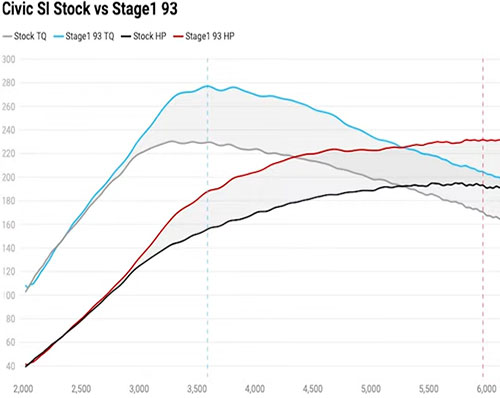
Civic Si. Back in 2017 Honda took the enthusiast crowd by a bit of a surprise, moving from their tried and true naturally aspirated k-series power plants to a 1.5L turbocharged variant of their L series motor. While the drop in displacement was a bit of a bummer, the addition of boost was certainly attractive. These little motors are capable of some serious efficiency, and with a bit of tweaking, a great deal of fun. The FE1 Civic Si is equipped with a 1.5L turbocharged variant of their L series motor that is ripe with potential. These little motors are capable of some serious efficiency, and with a bit of tweaking, a great deal of fun. The Accessport and COBB Off The Shelf maps are compatible with both the FC1 / FC3 / FE1.
Honda Civic Type R
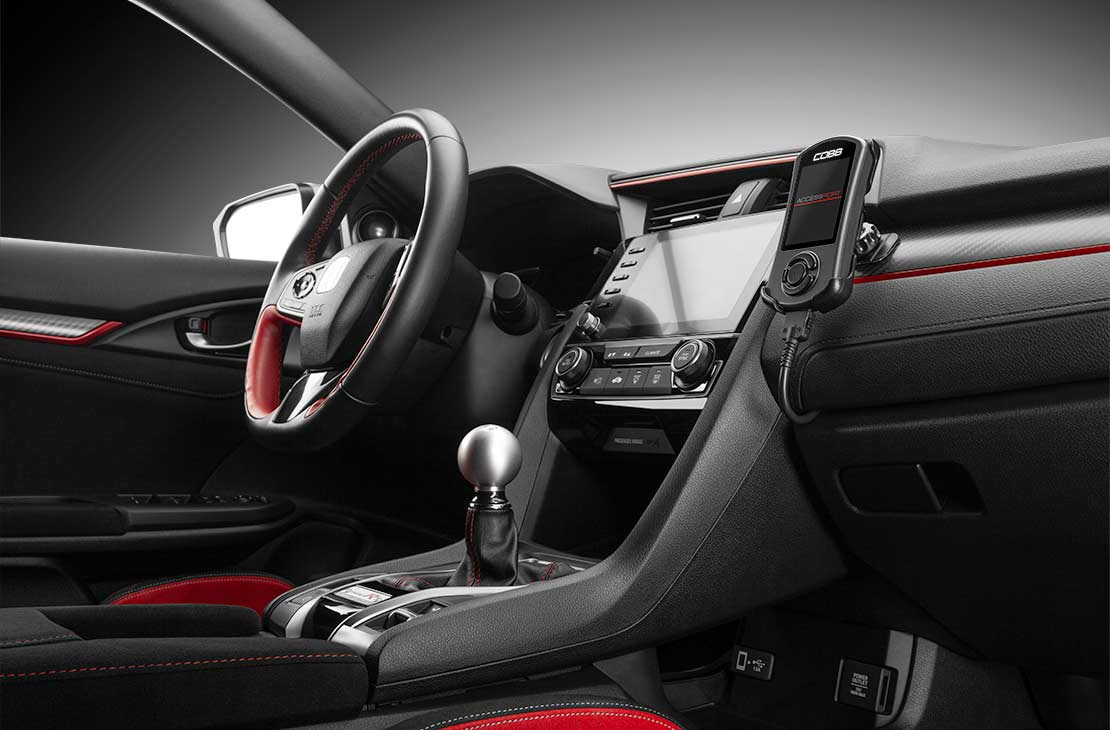
Civic Type R
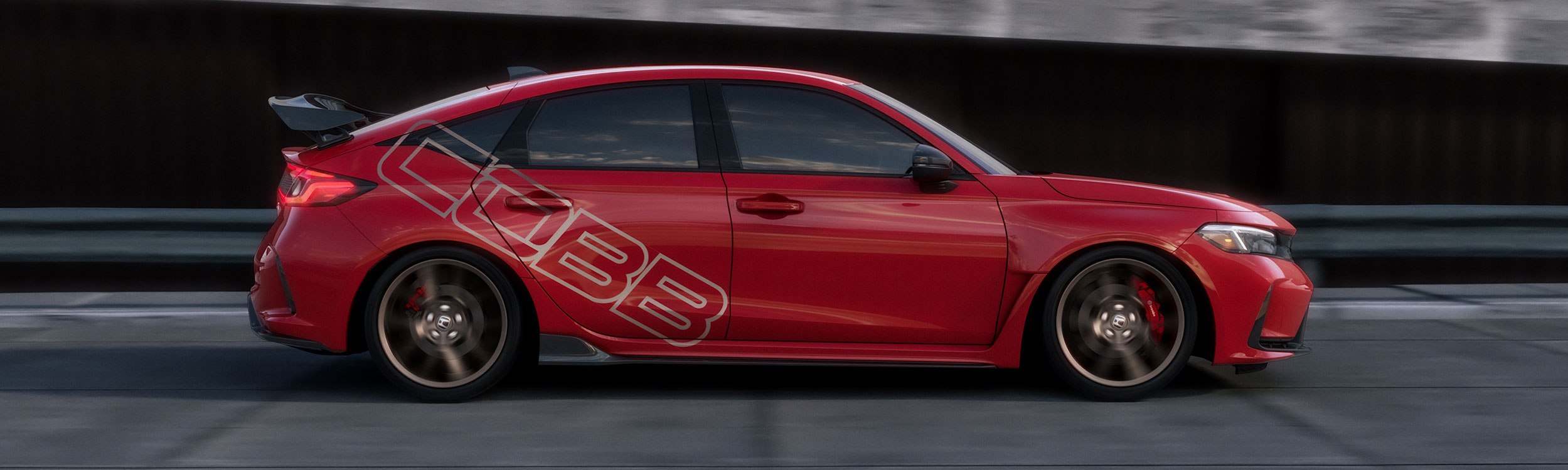
The Honda Civic Type R is arguably one of the most recognizable and modified vehicles in the automotive enthusiast market and starting today, you’ll be able to pair it with the world’s easiest and best selling tuning solution, the COBB Accessport! With Honda fully embracing the light that is turbocharged engines in the US market, it only makes sense that the Accessport returns to the Honda to take full advantage of the new powerplant.
Honda Civic Si
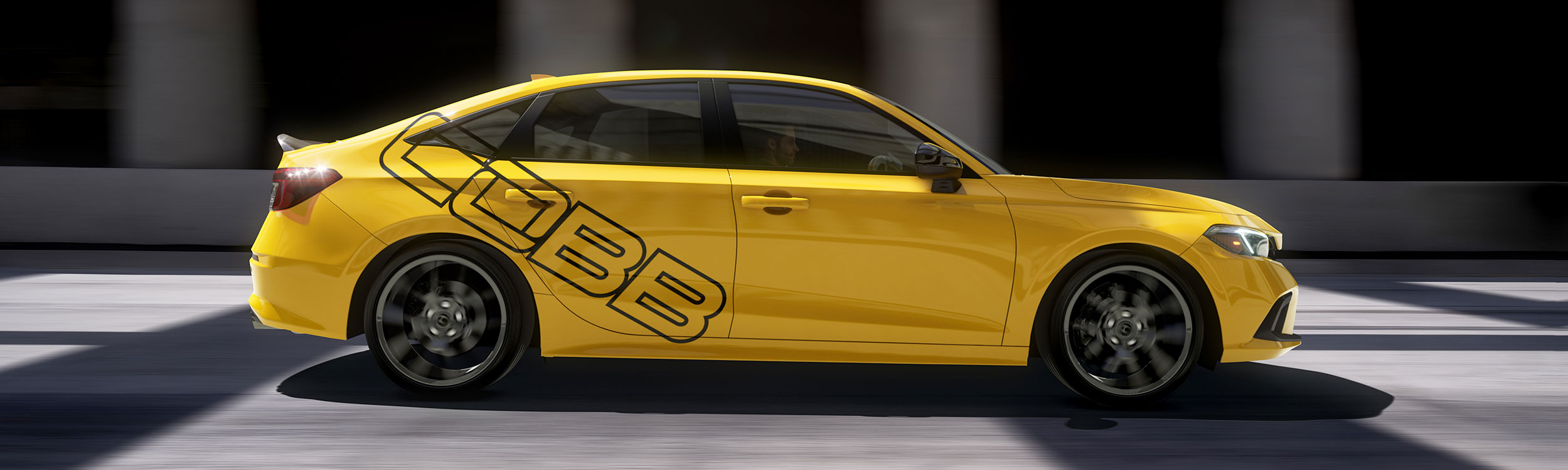
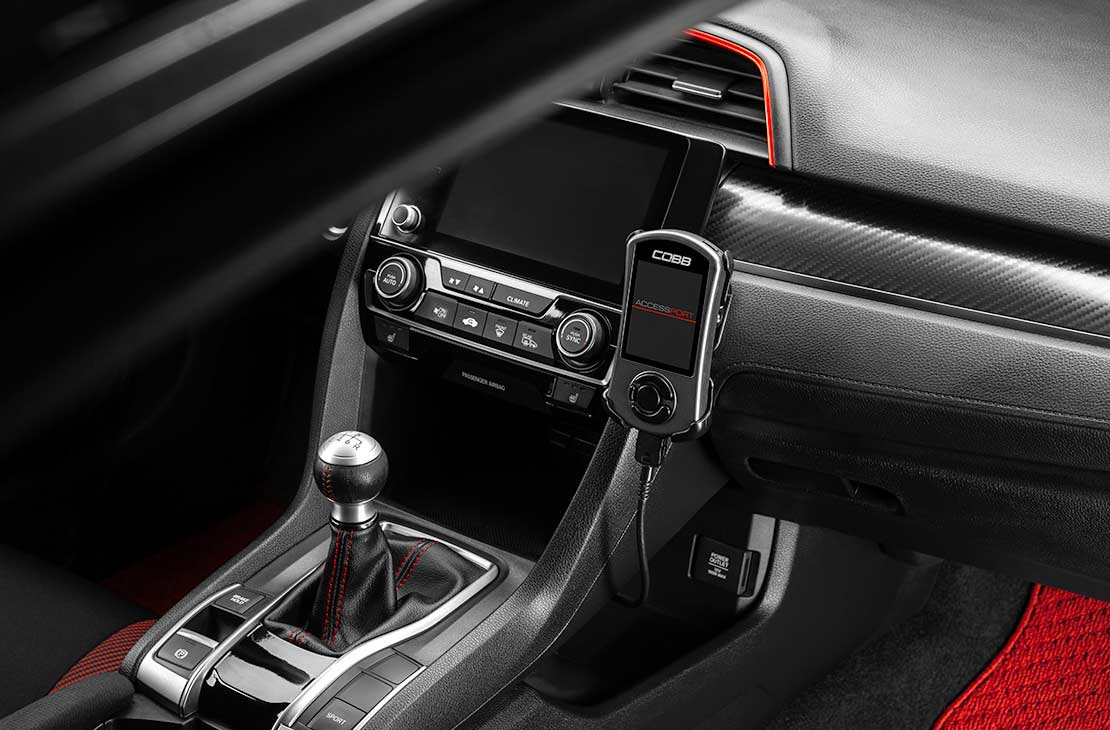
Civic Si
The Civic Si is equipped with a 1.5L turbocharged variant of their L series motor that is ripe with potential. These little motors are capable of some serious efficiency, and with a bit of tweaking, a great deal of fun.